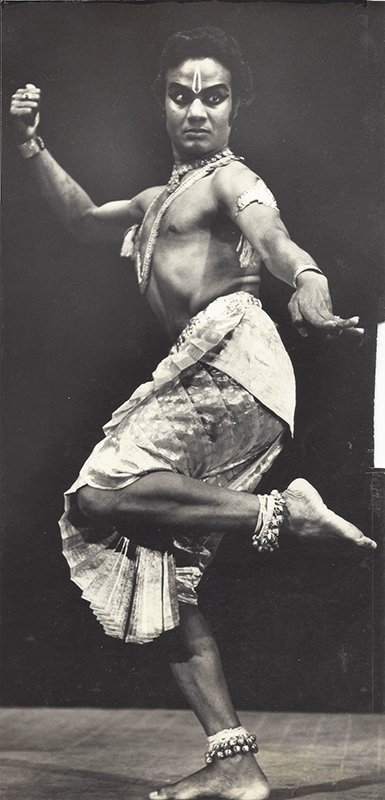
Dr. Raja Reddy
Padma Bhushan · Padma Shri
Master Kuchipudi Exponent, Choreographer & Guru
Celebrated for his powerful Tandava virtuosity, masterful choreography and artistic direction, Dr. Raja Reddy is a towering figure of Indian classical dance.
Charu & Jayant Singh
cordially invite you to grace the
— the debut solo recital of their daughter —
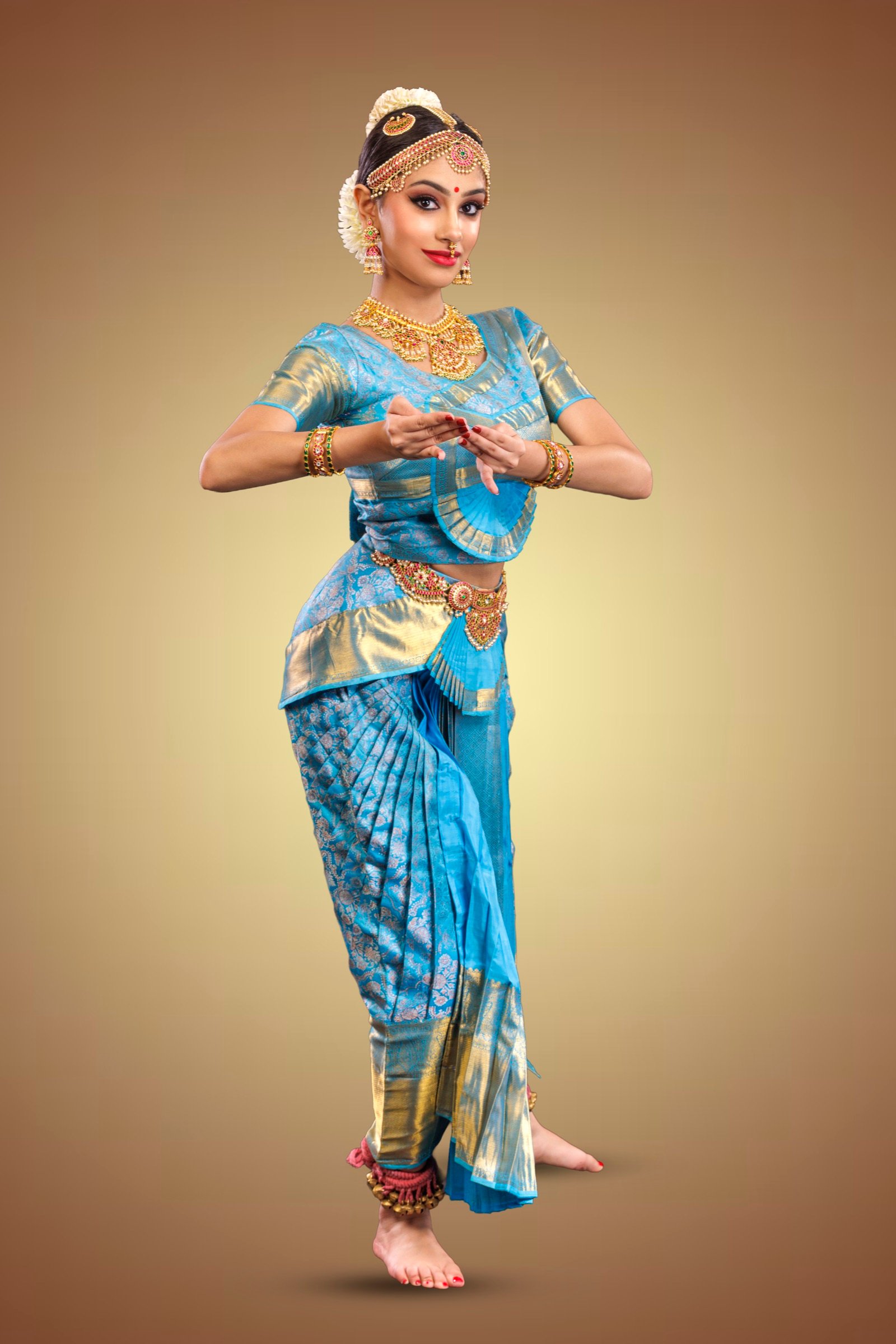
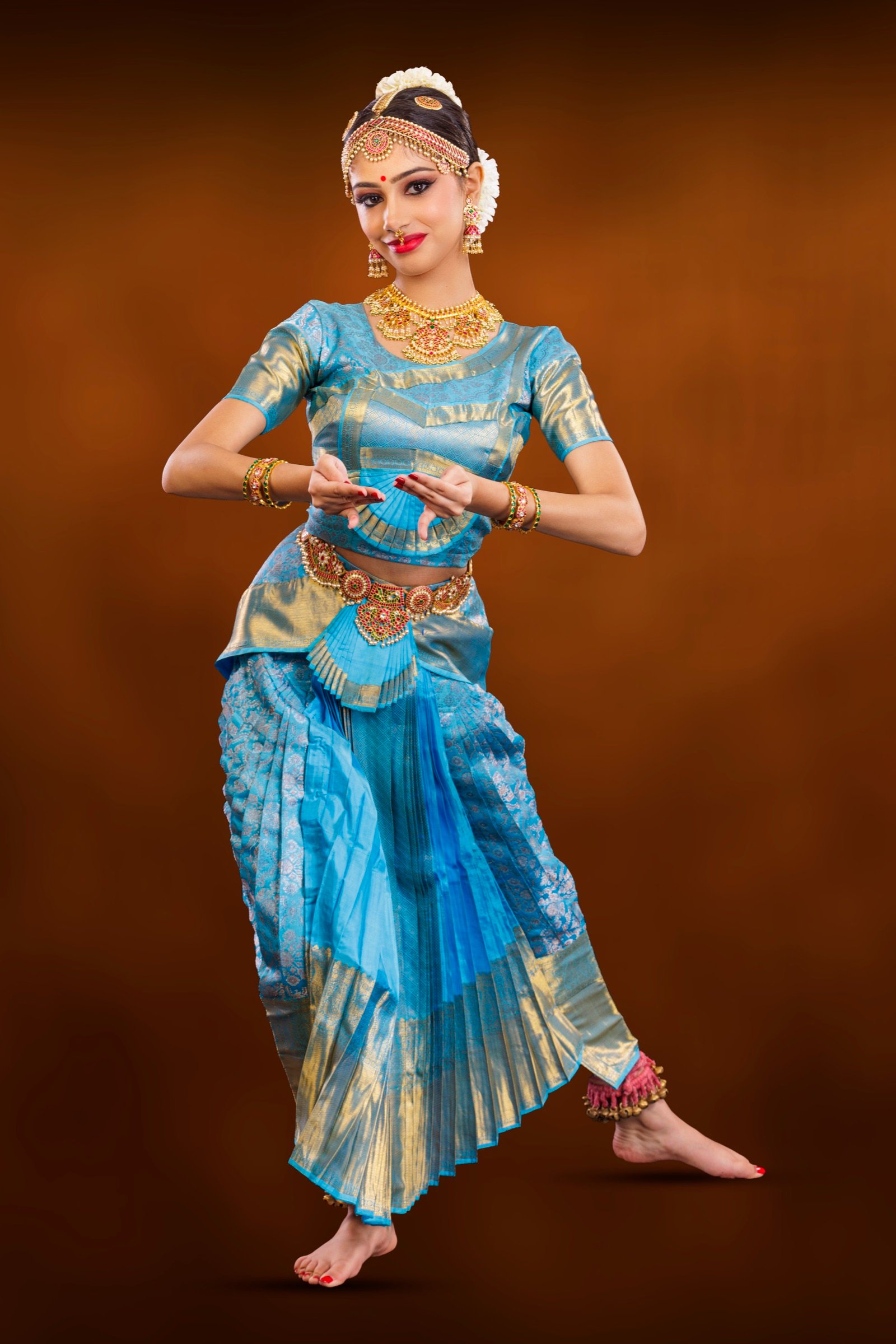
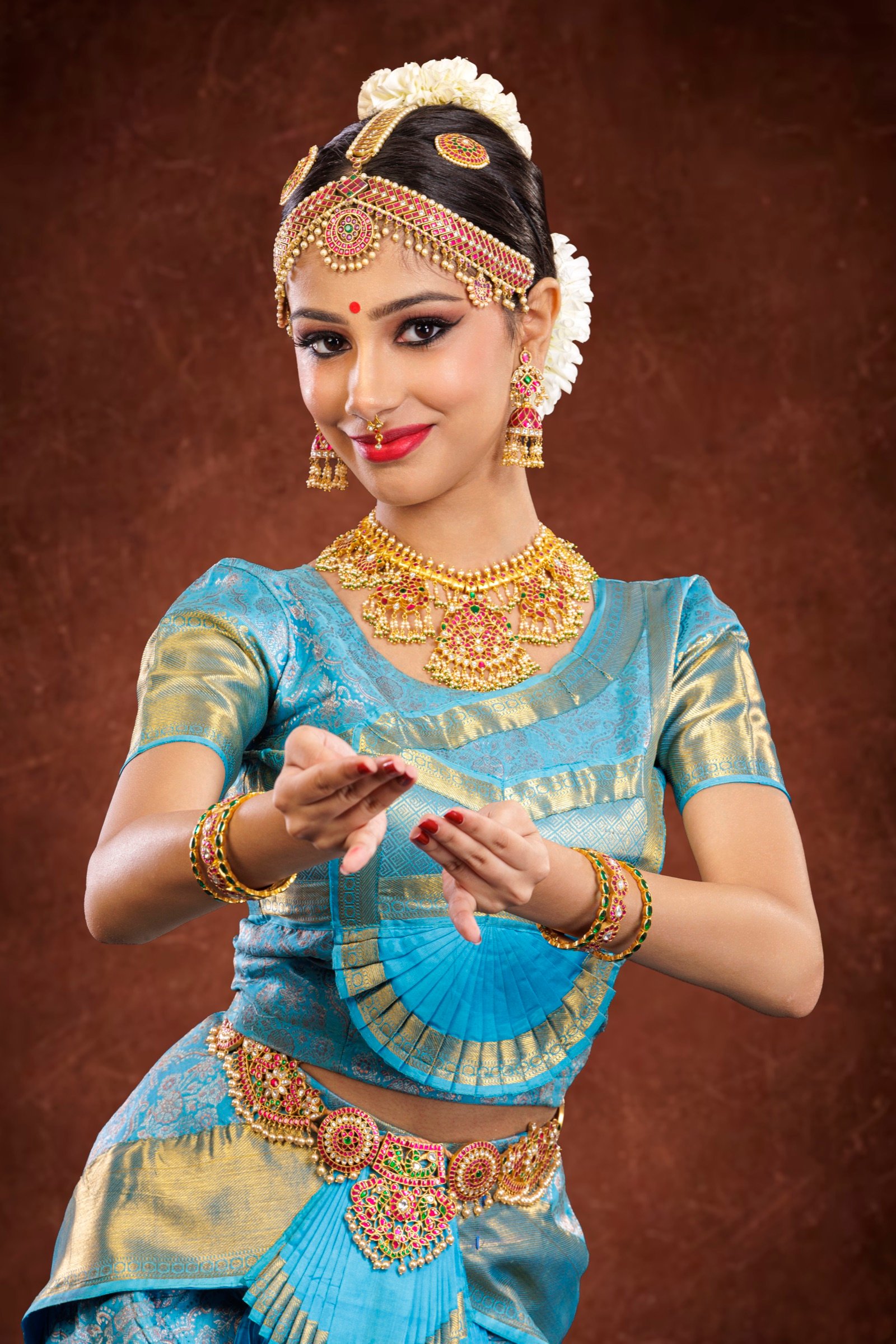
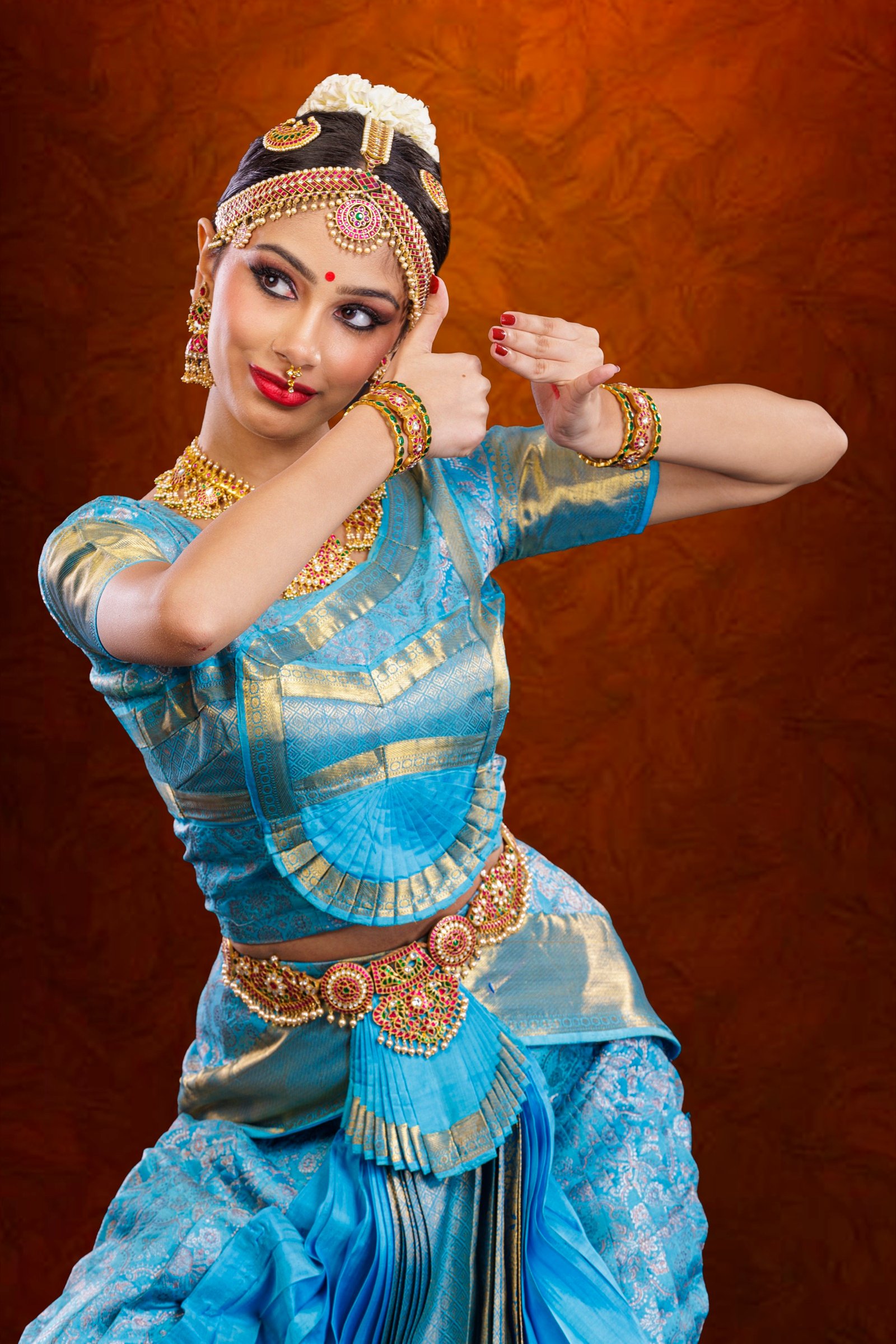
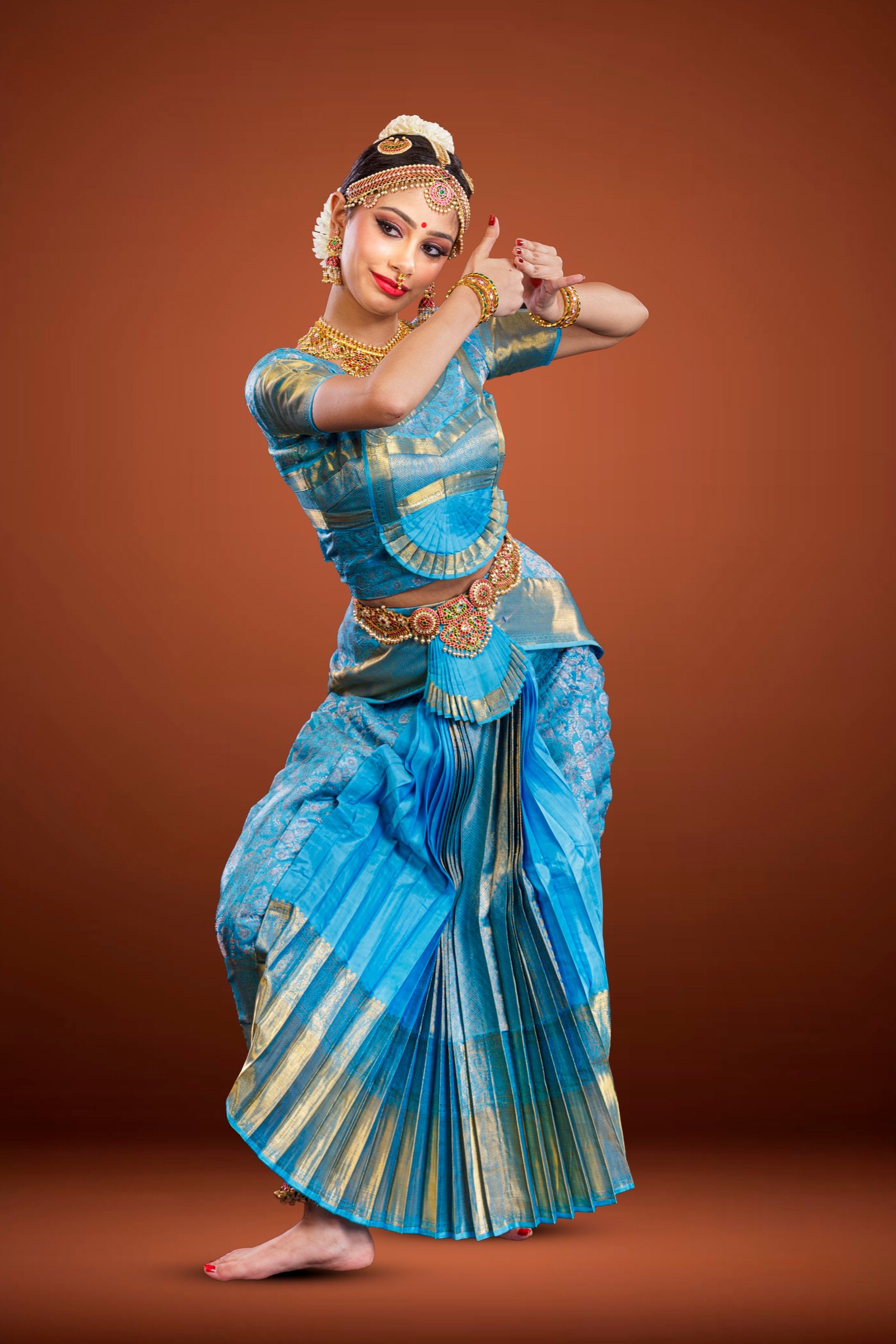
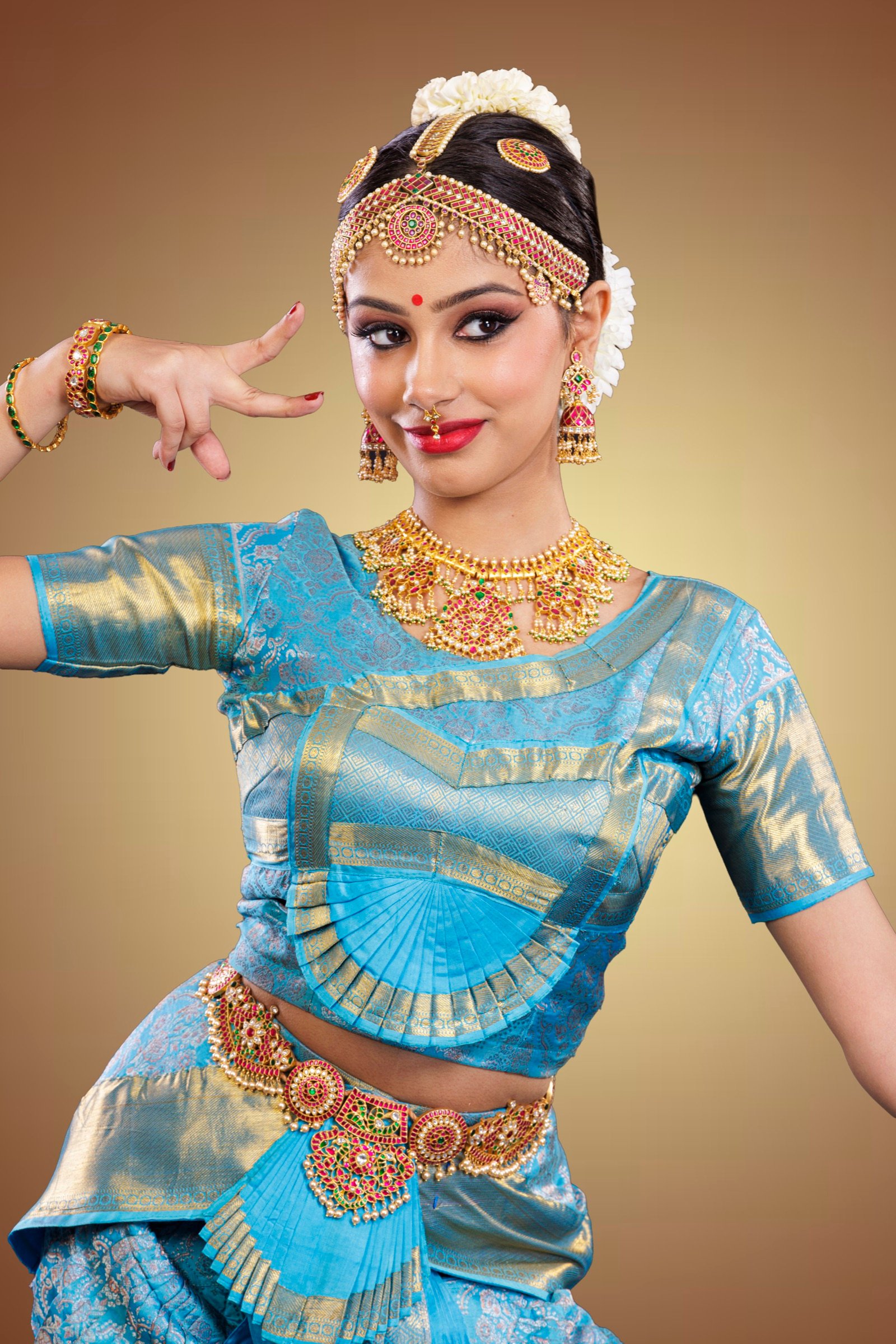
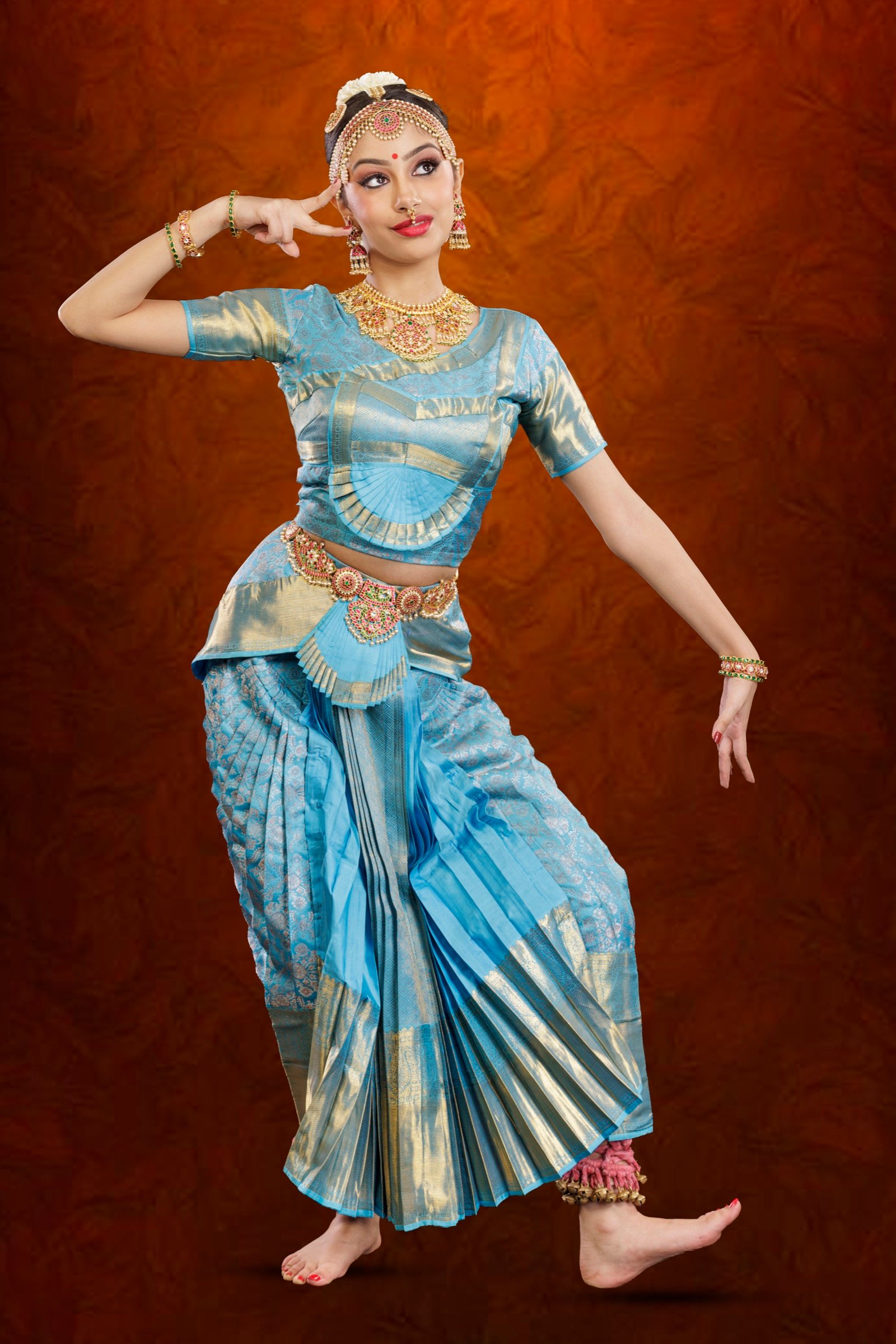
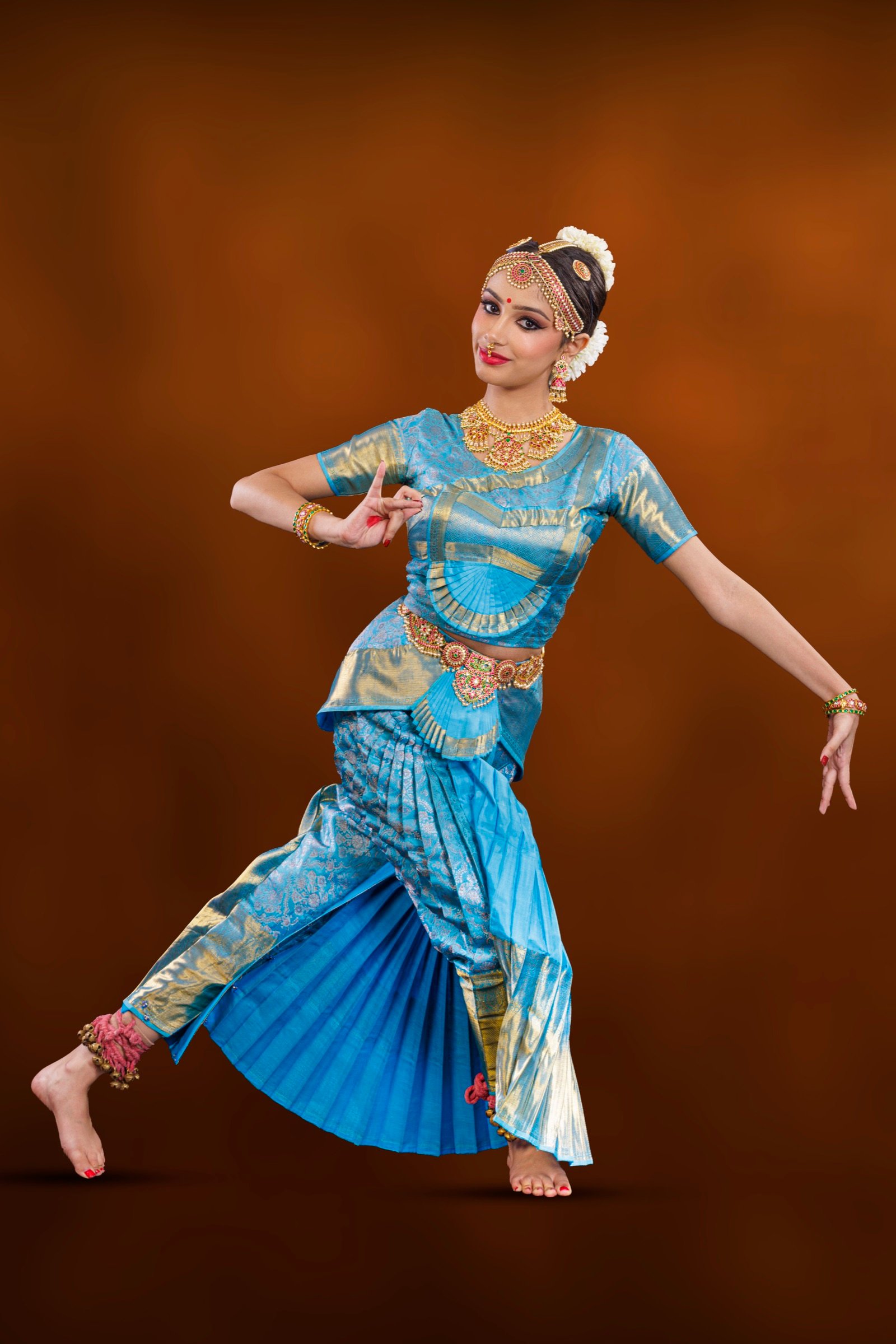
Ilesha Singh
Disciple of Padma Bhushan Drs. Raja & Radha Reddy
and Smt. Kaushalya Reddy · Natya Tarangini
Saturday, 1st August 2026 · 6:30 pm
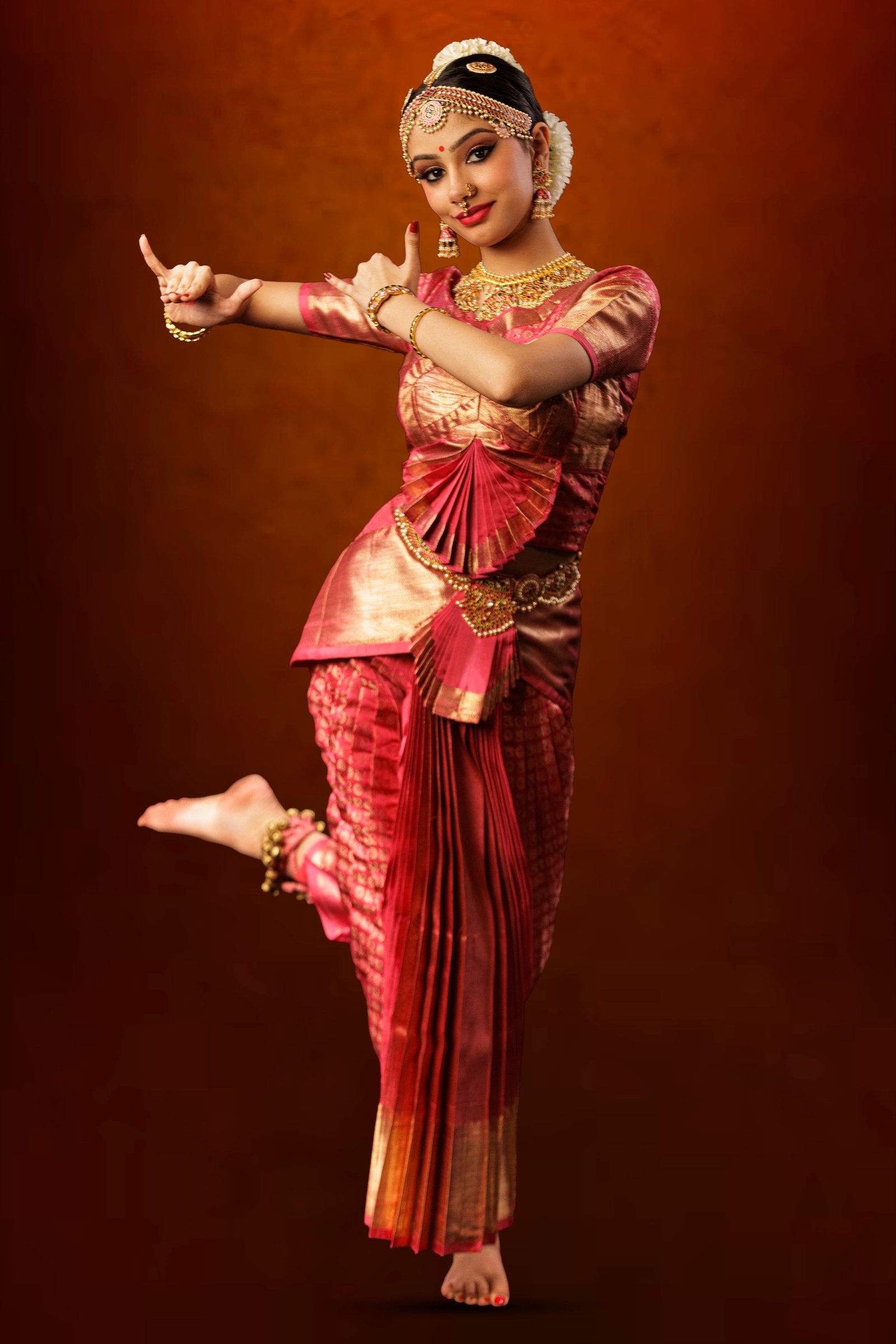
The term “Ranga” denotes stage and “Pravesham” means entry. Performing the Rangapravesham is an age-old tradition for classical Indian dance forms and refers to the graduation ceremony where the Guru presents the pupil to the public.
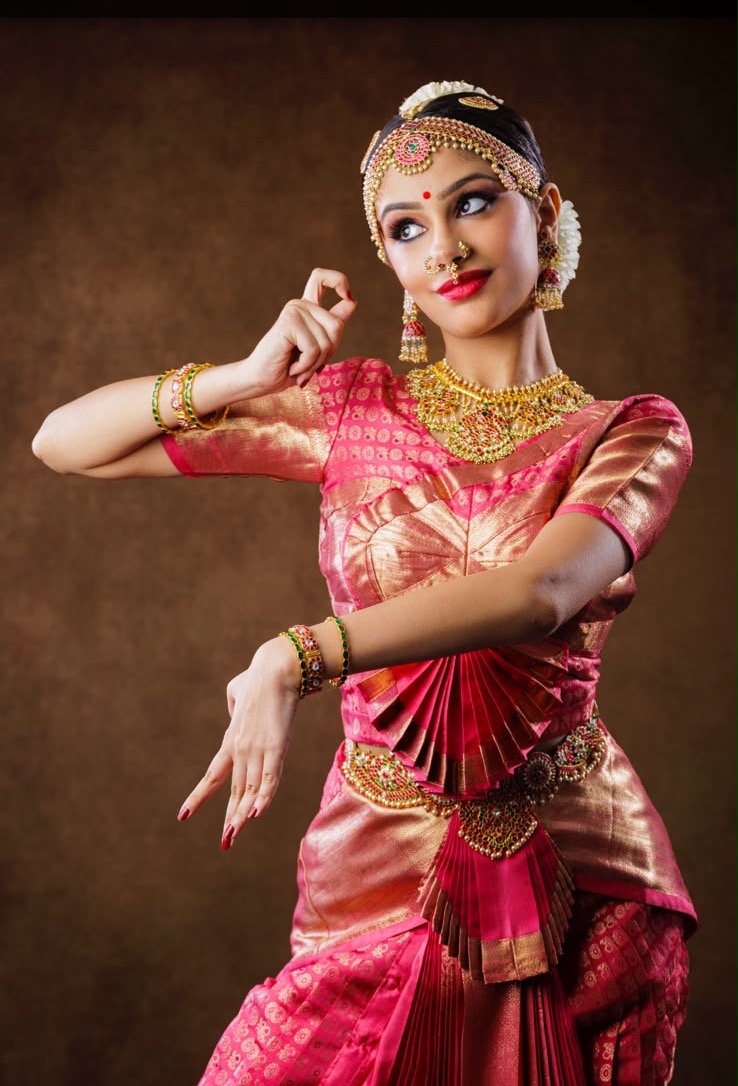
The Dancer
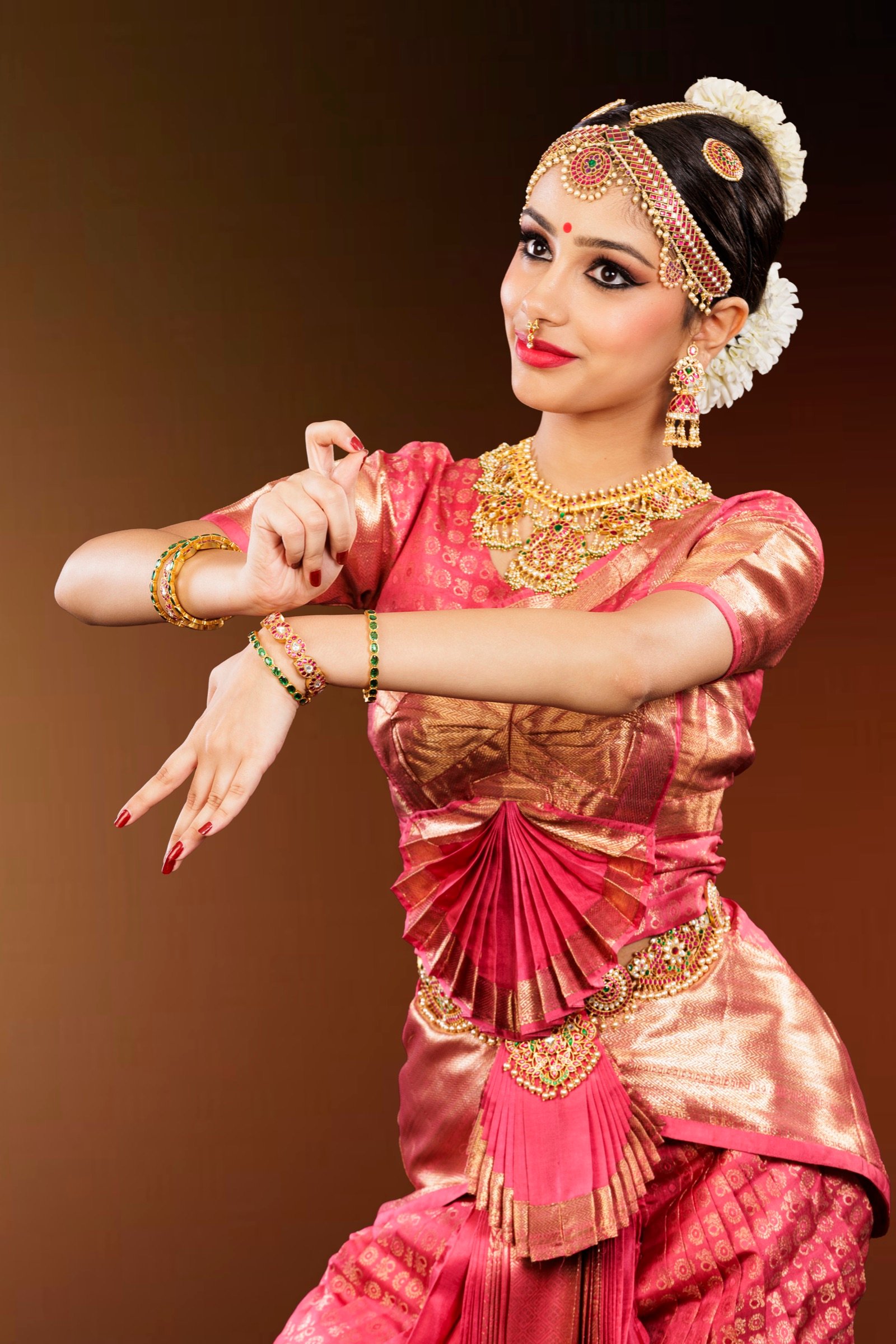
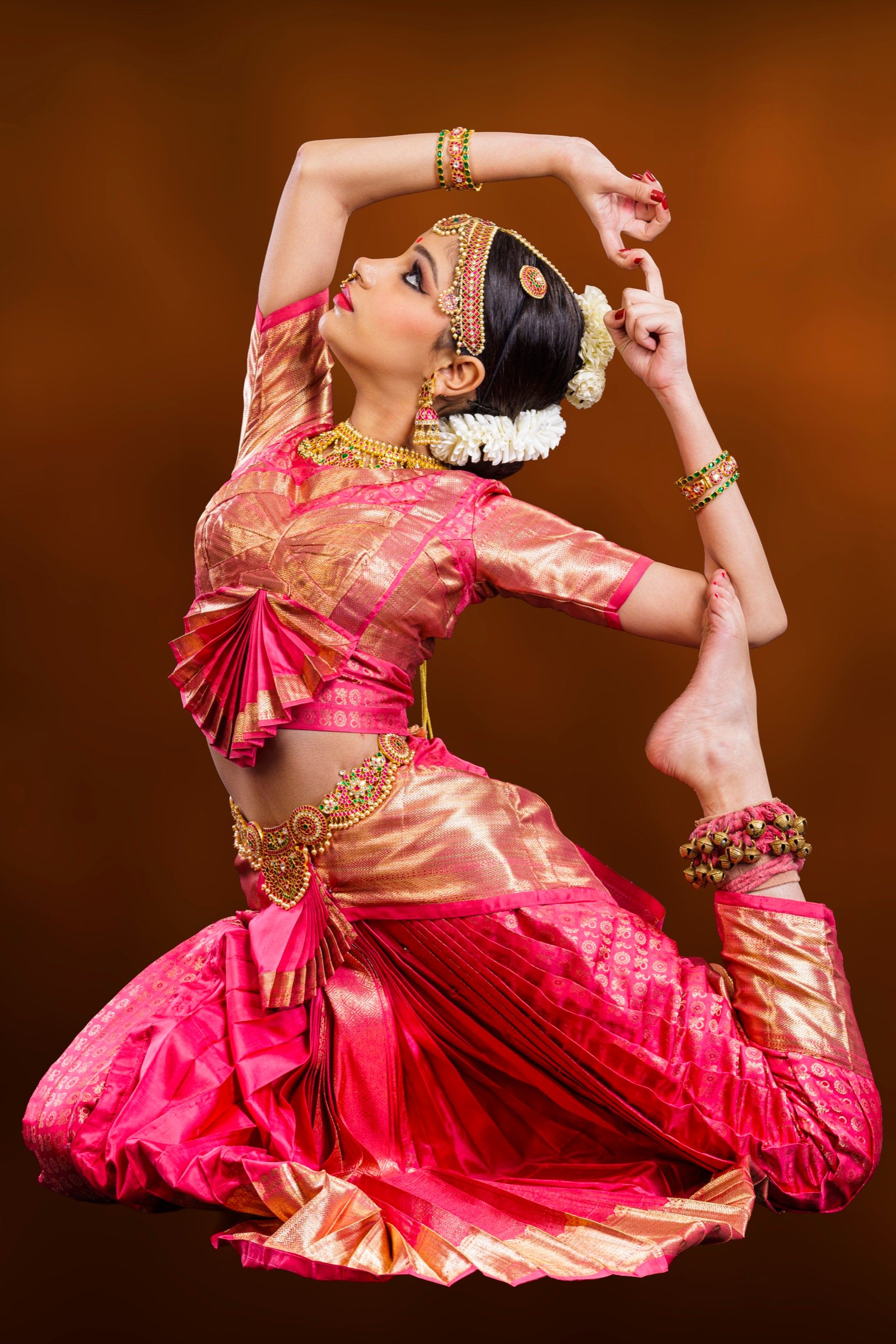
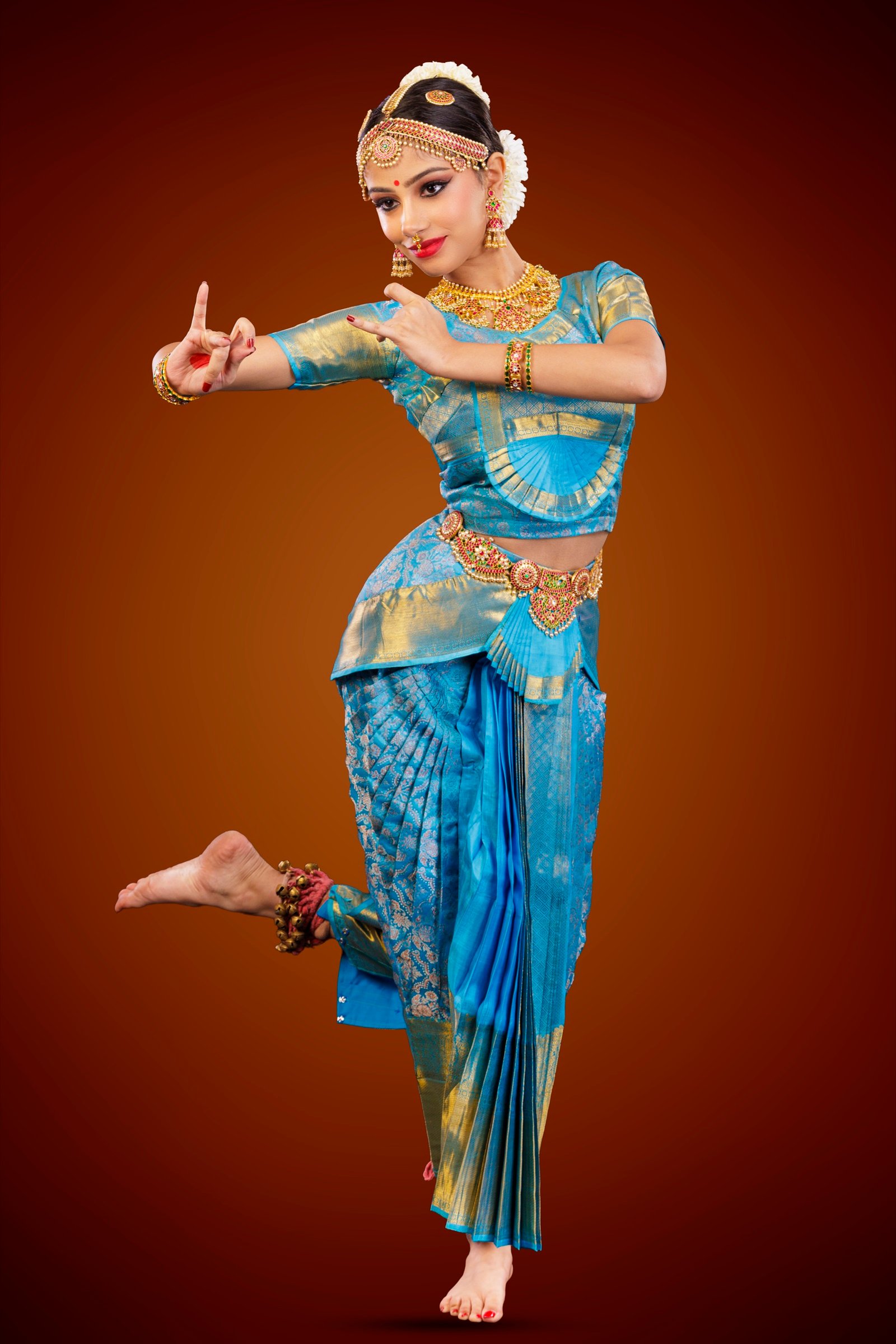
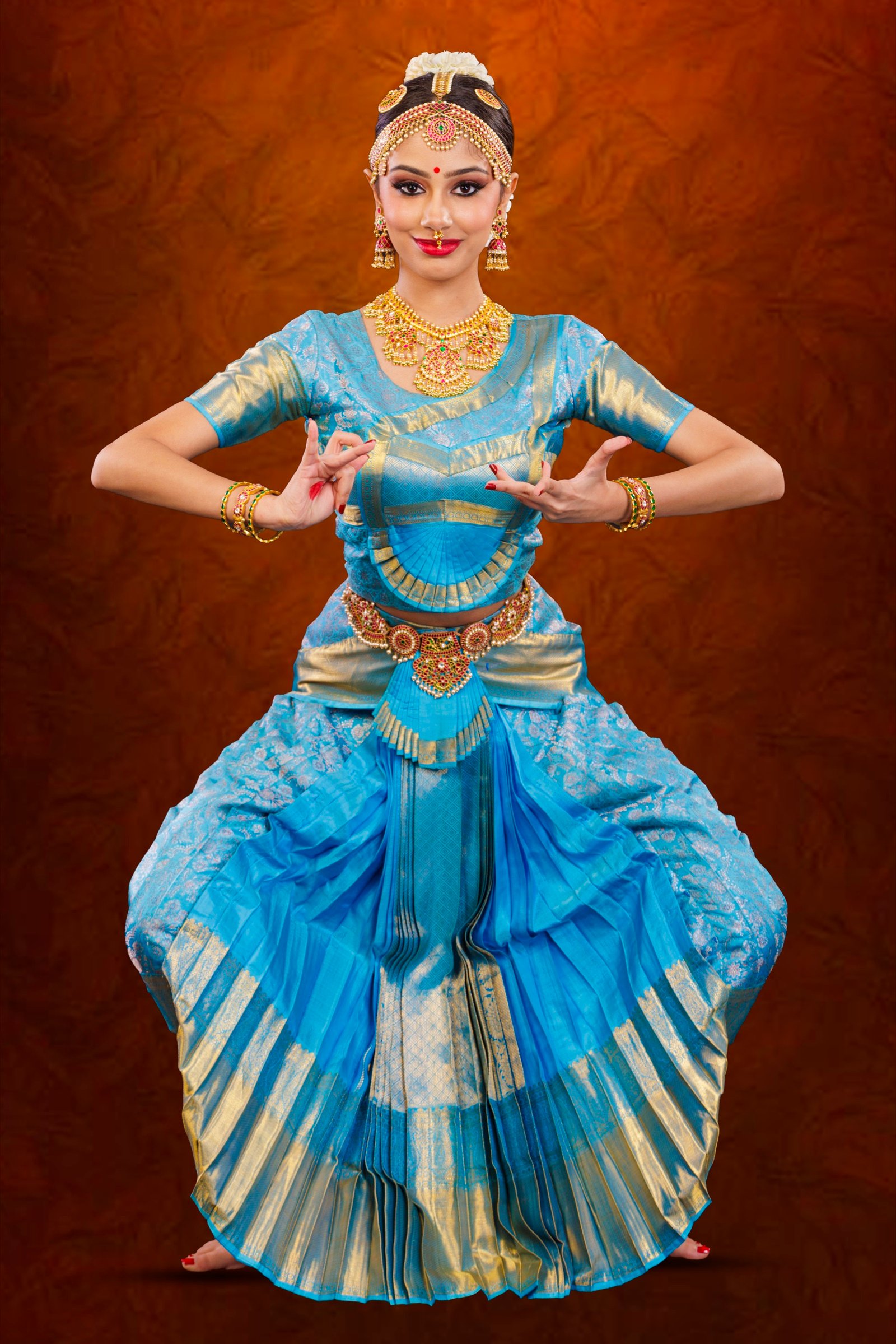
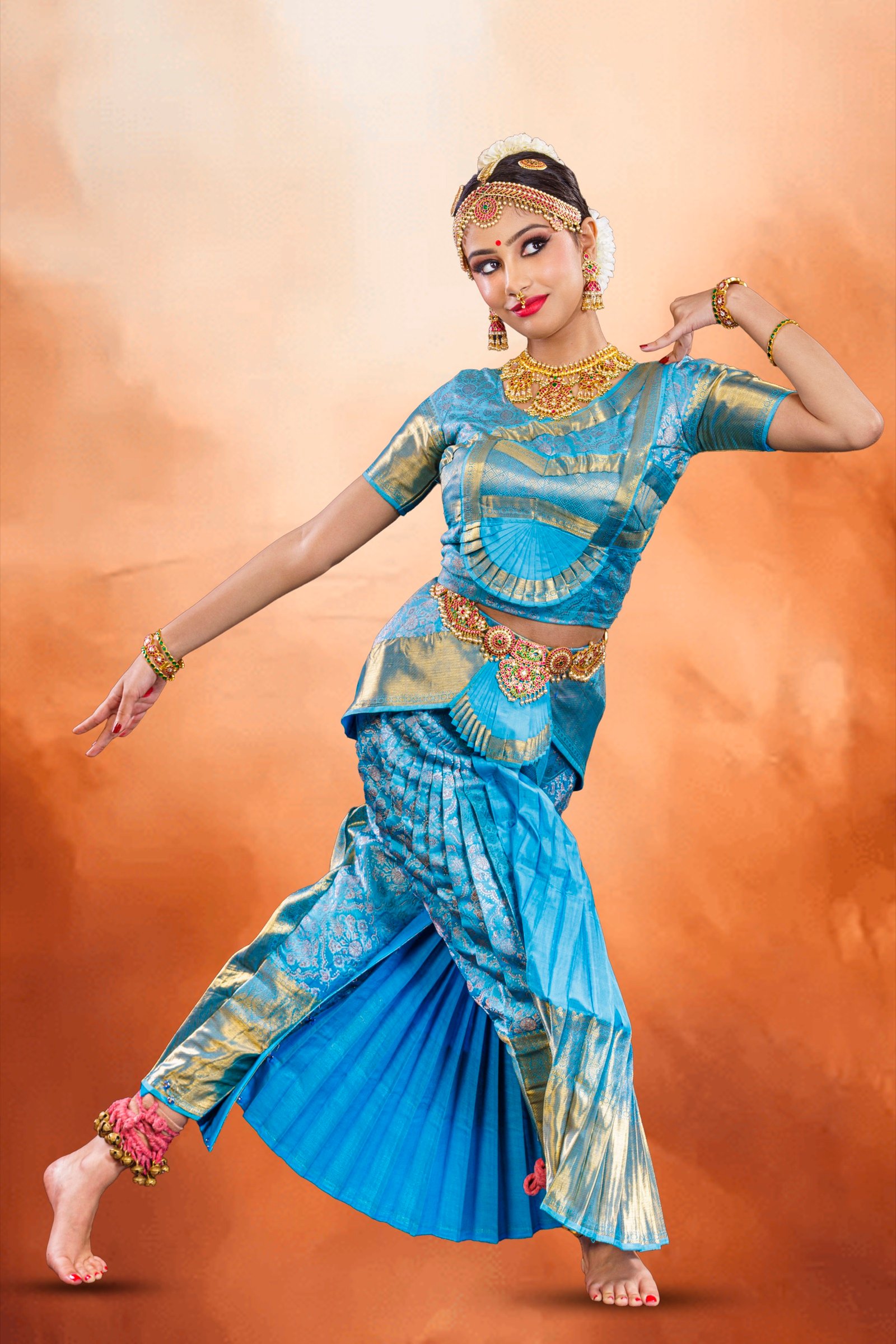
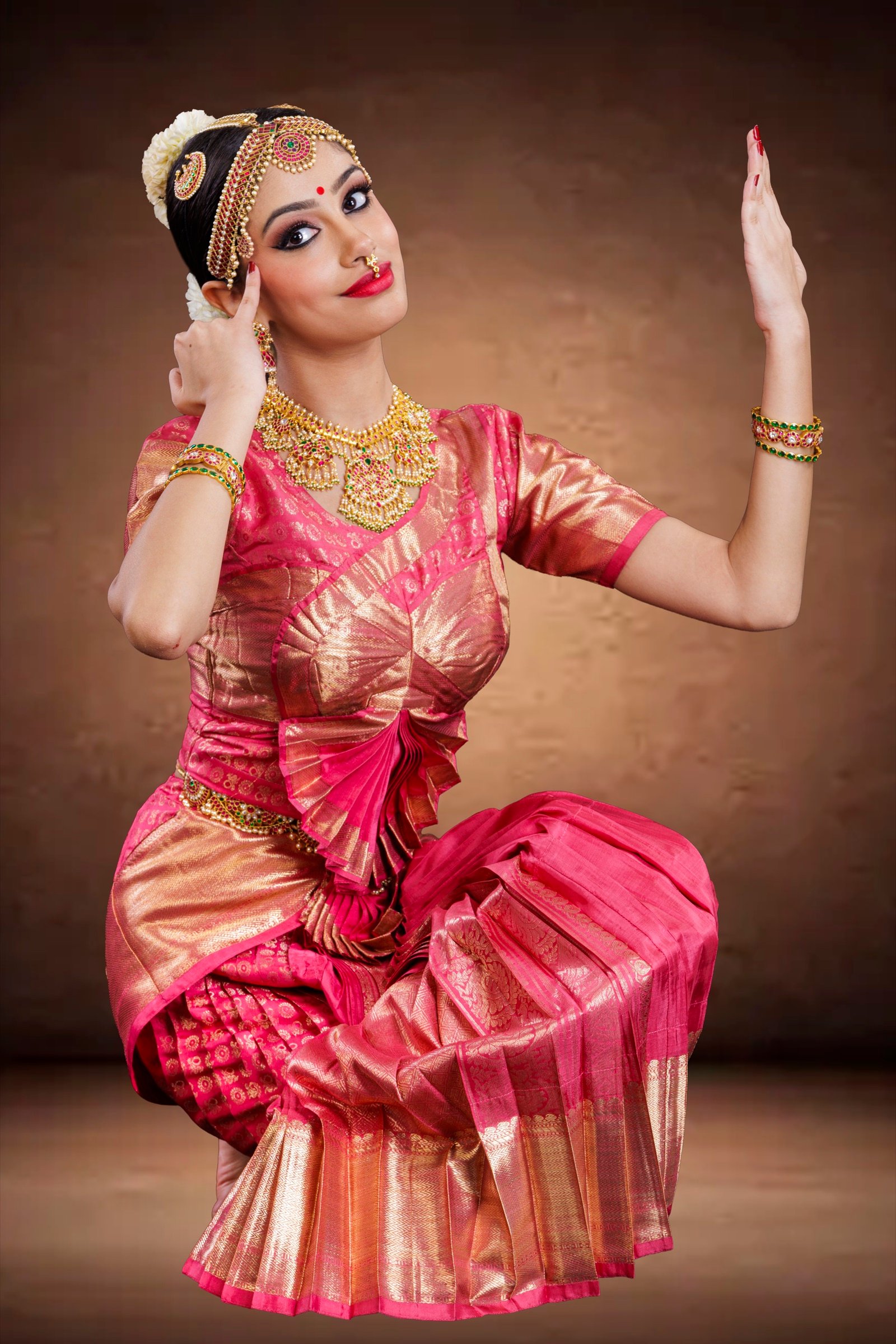
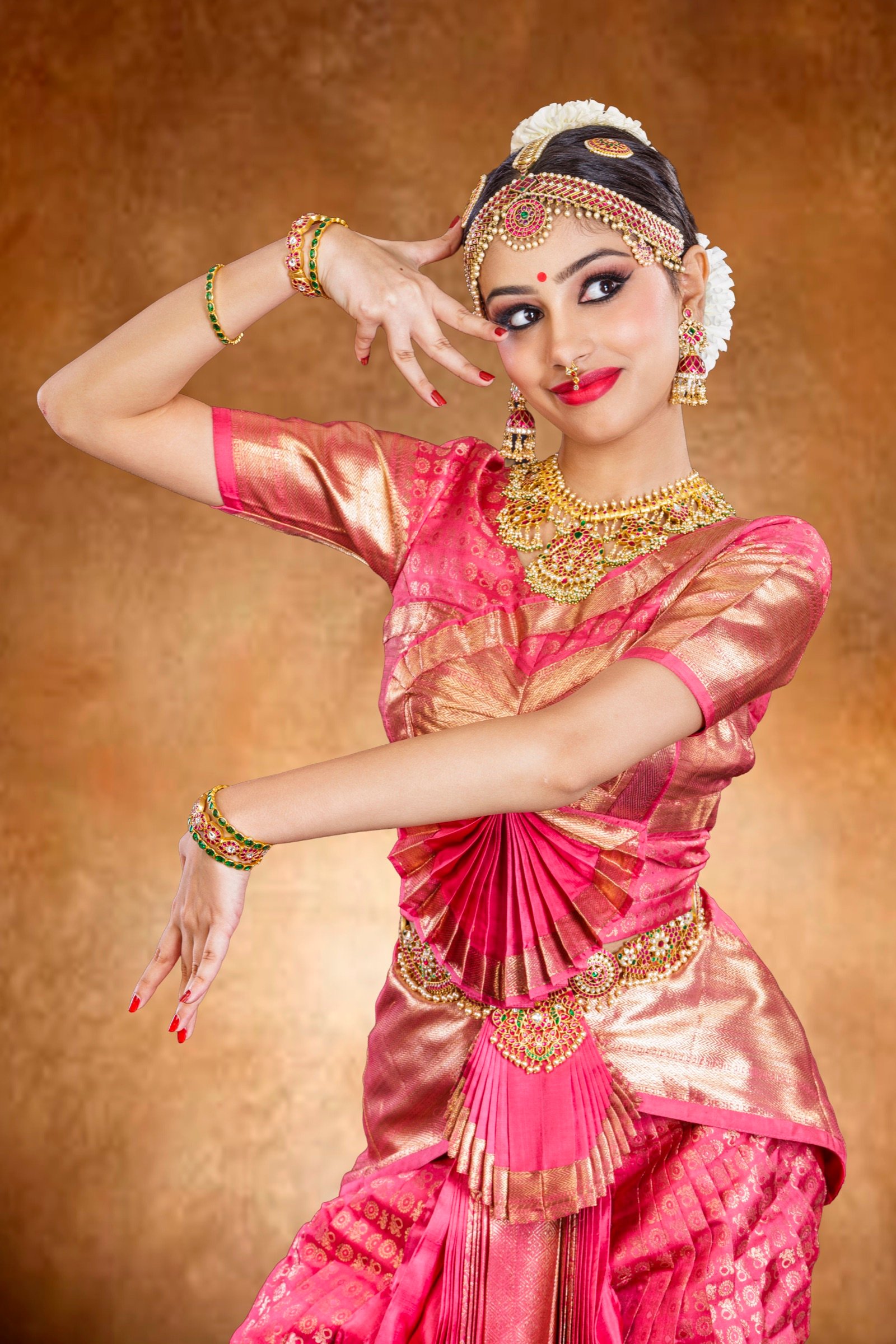
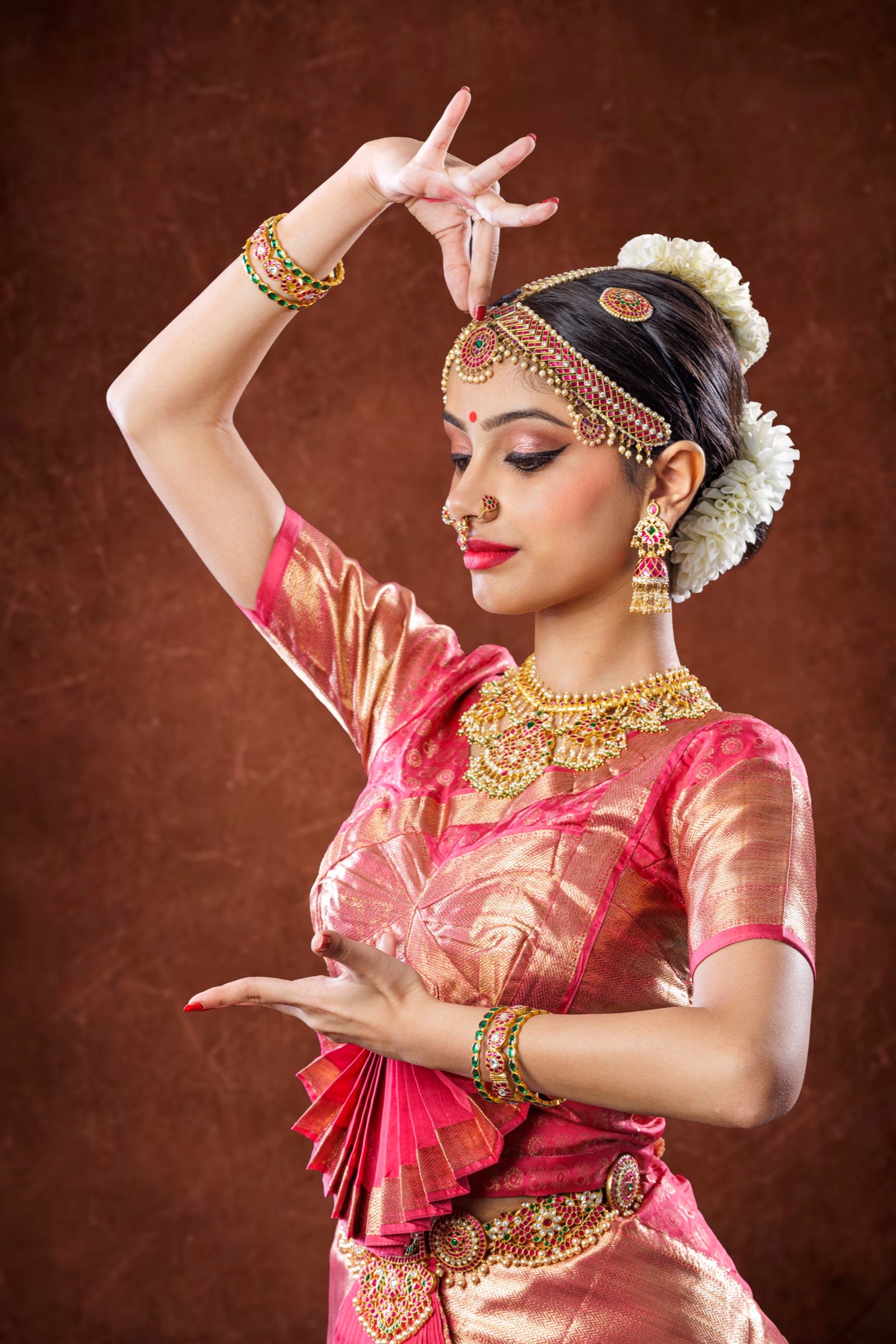
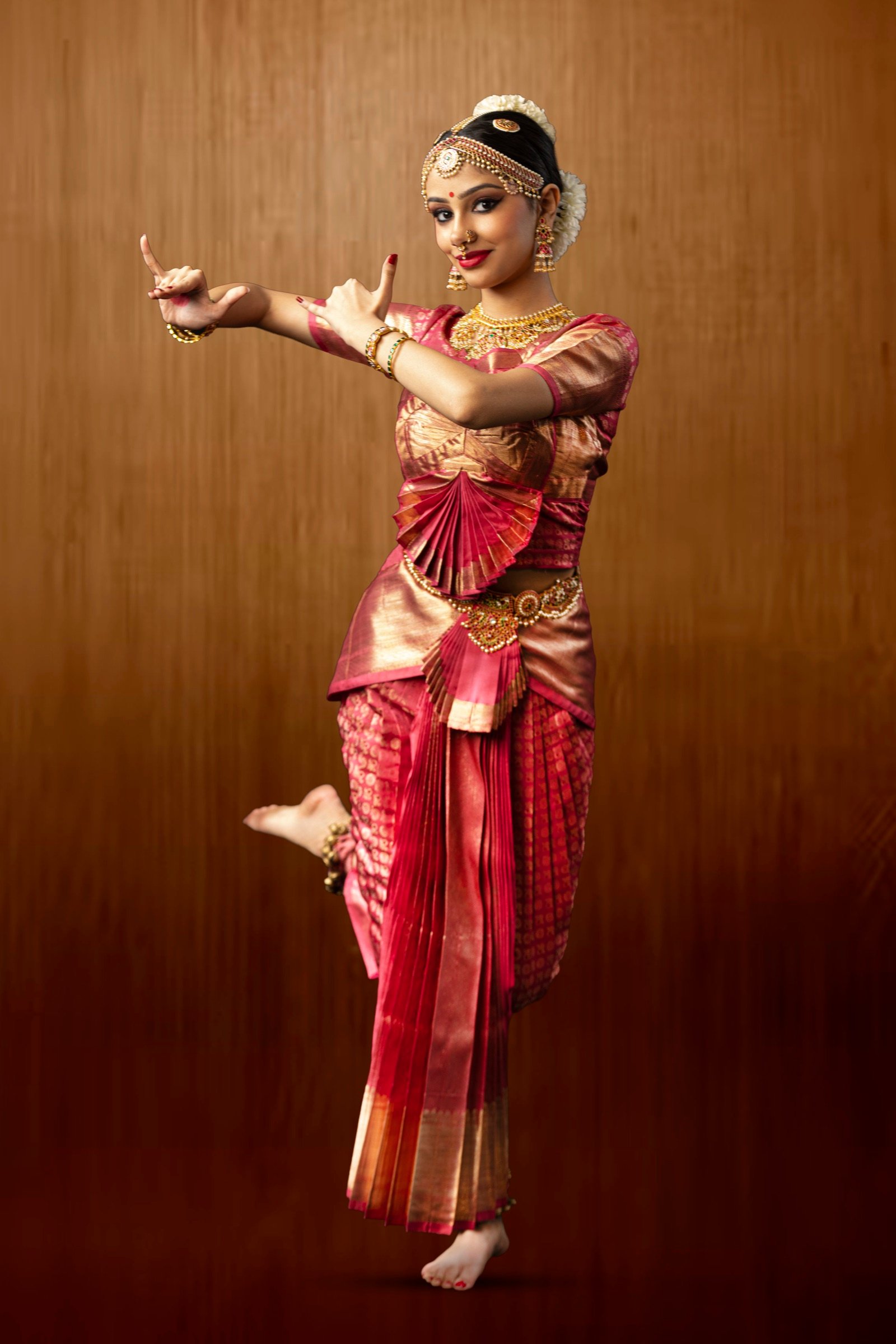
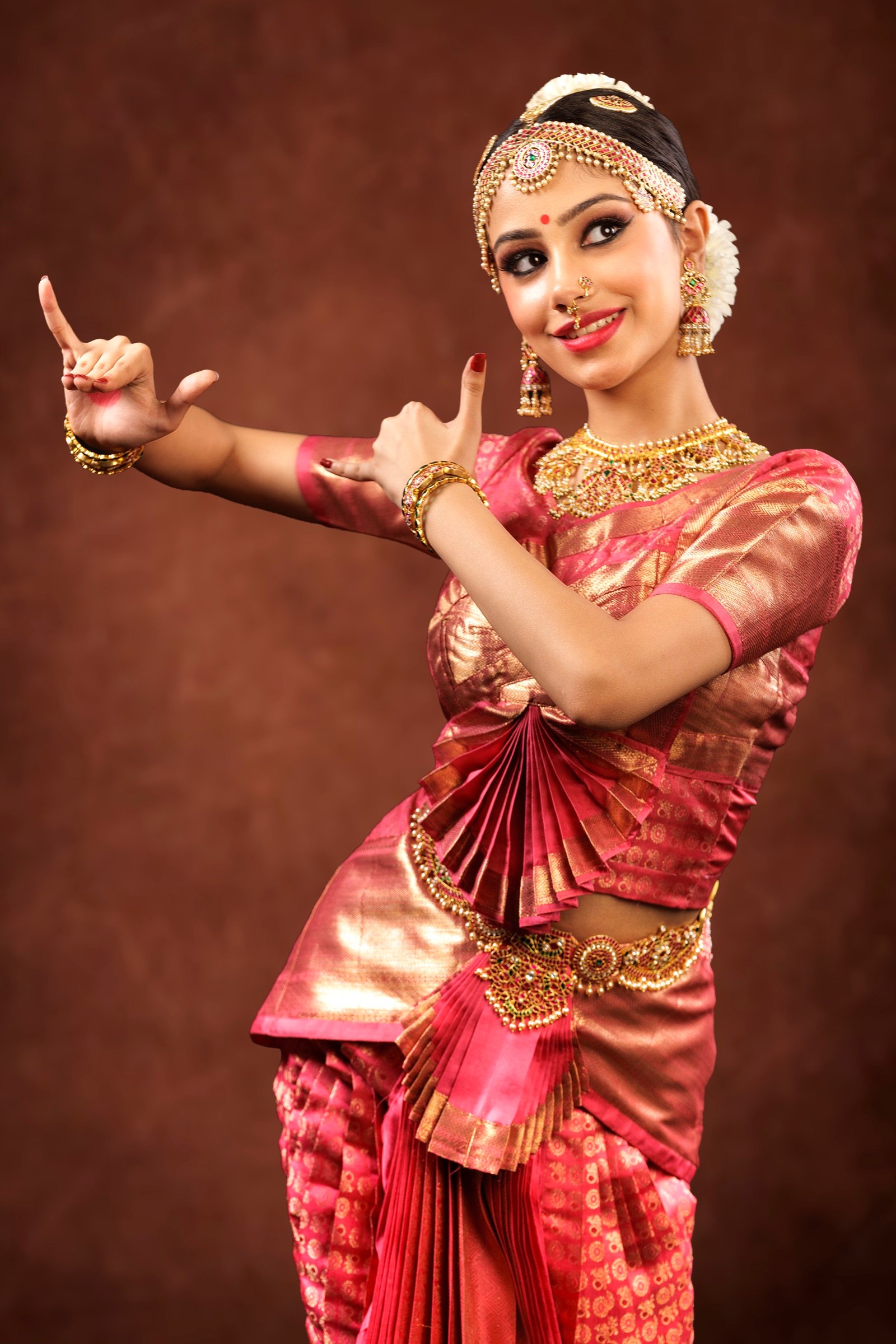
Ilesha Singh, aged 15, is a disciple of Padma Bhushan awardees Drs Raja and Radha Reddy and Smt Kaushalya Reddy. She began learning Kuchipudi at the age of four and a half and has, over the years, steadily built her foundation in this demanding classical dance form.
Her Rangapravesham marks an important milestone in that journey. It represents her formal debut as a solo Kuchipudi dancer and her readiness to take on a more serious and disciplined engagement with performance. She is also among the youngest disciples of her gurus to undertake this significant artistic milestone.
A Class 11 student at Sanskriti School, Ilesha has been an active member of the school’s Mudra Club and has performed at several intra-school and inter-school events. She also enjoys playing the piano, which has added to her understanding of rhythm, music and performance.
Ilesha is confident, composed and full of energy. Her positive nature has helped her meet challenges with maturity and quiet determination. She has a particular ability to stay centred under pressure, separate distraction from purpose and focus on the task before her. This balance of enthusiasm, discipline and mental clarity has shaped both her personality and her growth as a young dancer.
Ilesha has previously performed as part of the Natya Tarangini troupe at the Government of Delhi’s launch of the Mehrauli Archaeological Park. She looks forward to continuing her journey in Kuchipudi with sincerity, rigour and a deepening commitment to Indian classical dance.
Guru Parampara · Lineage
Natya Tarangini — Performing Arts Academy · Preserving and elevating the Kuchipudi heritage since 1976
Padma Bhushan · Padma Shri
Master Kuchipudi Exponent, Choreographer & Guru
Celebrated for his powerful Tandava virtuosity, masterful choreography and artistic direction, Dr. Raja Reddy is a towering figure of Indian classical dance.
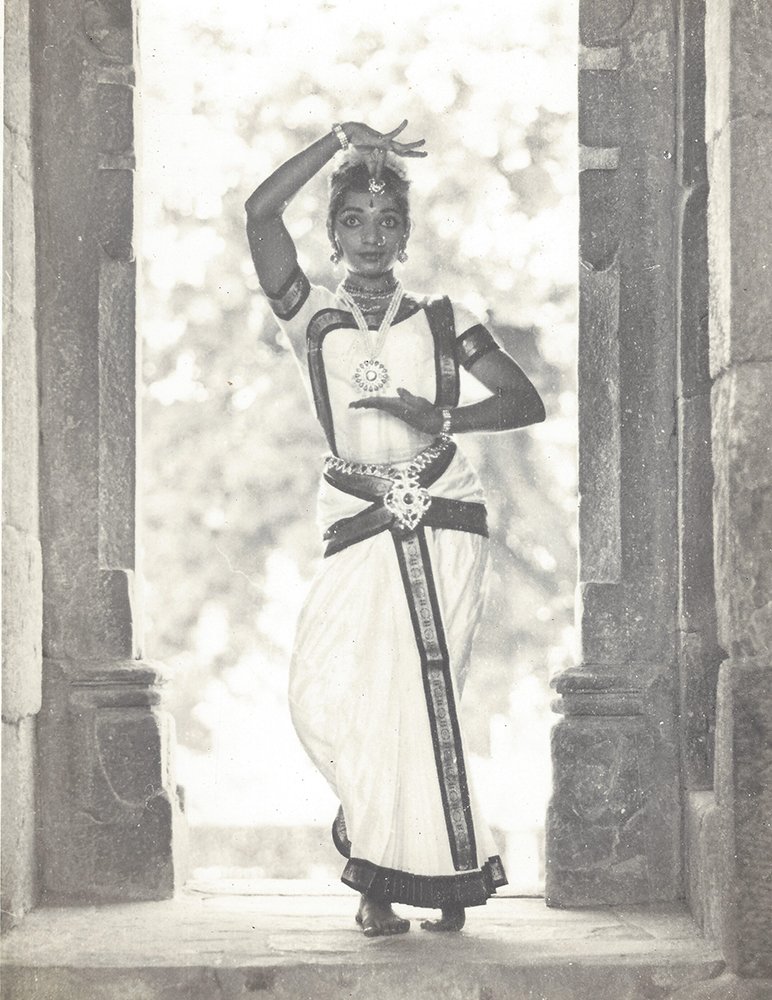
Padma Bhushan · Padma Shri
Master Kuchipudi Exponent, Dancer & Guru
The embodiment of Lasya grace and expressive Abhinaya, Dr. Radha Reddy personifies the classical beauty and perfection of the Kuchipudi idiom.
Acclaimed Maestro & Artistic Mentor
Kuchipudi Exponent, Nattuvanar & Mentor
Dancer, vocalist and master Nattuvanar, Smt. Kaushalya Reddy is a pillar of Natya Tarangini — founder of the Parampara Series and guide to Ilesha’s artistic growth since early childhood.
Founded by the legendary Gurus in 1976, Natya Tarangini has nurtured thousands of dancers, fostered artistic innovation, and conducted international festivals to preserve the timeless beauty of Kuchipudi.
Archival photographs courtesy rajaradhareddy.com
The Evening’s Recital
Salutation & Invocation
As is customary, Ilesha begins her recital with a salutation to the almighty. This traditional morning hymn chanted at the Tirumala Venkateswara Temple to awaken the Lord consists of four parts: Suprabhatam (awakening), Stotram (praising), Prapatti (surrendering), and Mangalasasanam (seeking auspiciousness). The dancer praises the omniscient almighty and ultimately surrenders herself at his holy feet.
Traditional Mythological Piece
A traditional dance piece that presents the ten incarnations of Lord Vishnu. Each avtar is portrayed with distinct expressions and movements, highlighting the different forms through which Lord Vishnu is believed to restore the balance in the world. The item combines both technique and story telling, offering a clear and dignified depiction of this important piece in Indian mythology.
Evocative Abhinaya
Sanson Ki Mala is presented as an evocative abhinaya piece that embodies the depth and sincerity of profound love. The choreography highlights the emotional refinement of the dancer, conveying devotion, longing and an unwavering commitment to the beloved. Through controlled expression and nuanced movement, the piece reflects the mature and dignified portrayal of love central to its theme.
Climax · Virtuosity on the Brass Plate
Tarangam marks the climax of a traditional Kuchipudi recital. This rare Tarangam by poet Narayana Teertha, describes Lord Shiva in all his glory. The poet describes Shiva as the one who adorns the moon, in whose hair rests the river Ganga, who bestows his limitless bounty on everyone. When Shiva plays his sacred drum, creation begins with the 14 elemental sounds that emerge and sound the process of creation. Shiva is at once the creator, preserver and destroyer. This item ends with a display of exquisite virtuosity as the dancer executes intricate footwork patterns by dancing on the rim of a brass plate and coordinating it with complicated rhythmic patterns.
Distinguished maestros providing live vocal, rhythmic and instrumental accompaniment.
Moments in Motion